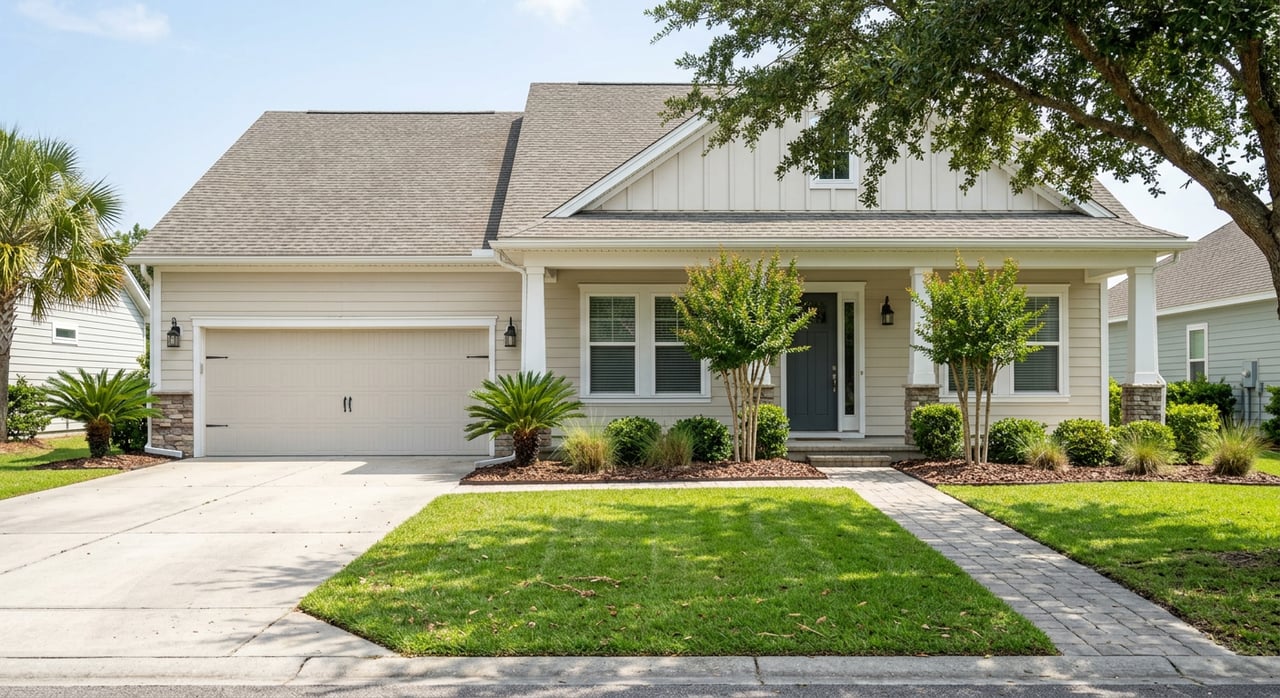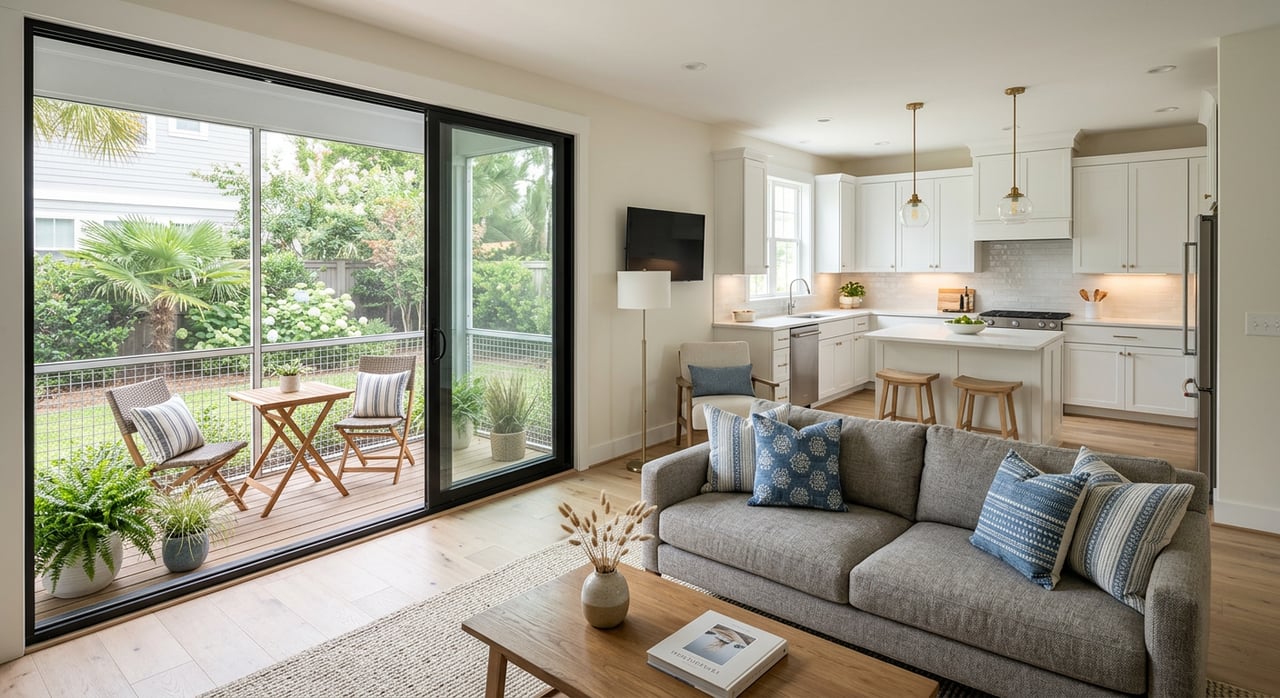
Trying to figure out which part of Myrtle Beach actually works for everyday life, not just vacations? You’re not alone. Between beach crowds, commute routes, and different neighborhood vibes, it can be tough to know where to start. In this guide, you’ll learn how the area flows day to day, what to check on any home, and which neighborhoods tend to fit specific priorities. Let’s dive in.
How Myrtle Beach works day to day
Tourism shapes the rhythm
The Grand Strand draws a huge number of visitors each year, which affects traffic patterns, seasonal business intensity, and short‑term rentals. Visit Myrtle Beach reports about 18.2 million visitors and $13.2 billion in direct spending in 2024. Expect busier beach corridors and retail zones during peak seasons, with quieter stretches inland. If you value a steady, year‑round feel, focus on more residential pockets or inland master‑planned communities.
Commute basics and key corridors
Compared with many metros, average commutes here are relatively short. The city of Myrtle Beach shows a mean travel time around the high‑teens in minutes, while Horry County sits in the low‑to‑mid 20s, according to U.S. Census QuickFacts. Your actual drive depends on proximity to US‑17, US‑501, Robert Grissom Parkway, and SC‑31. SC‑31 (Carolina Bays Parkway) is the main north‑south bypass that helps many inland residents avoid beach‑zone congestion.
Healthcare hubs matter
Access to urgent and specialty care is centered around several hospital systems. Grand Strand Health’s Grand Strand Medical Center serves the Myrtle Beach core. Inland, McLeod Health’s Carolina Forest campus offers ER, clinics, and planned expansion. Farther south, Tidelands Health facilities support the Murrells Inlet area. If healthcare access is a priority, note your distance to these hubs.
A simple framework to choose your area
Use this quick checklist to align your lifestyle with the right neighborhood.
- Commute and corridors: Map your likely routes to work, school, and frequent stops. Test them at peak and off‑peak times.
- Healthcare proximity: Confirm your nearest ER and specialists based on personal needs.
- Everyday errands: Note distance to groceries, pharmacies, and retail centers like Coastal Grand Mall.
- School assignments: If schools matter, verify attendance areas with Horry County Schools for each address.
- Flood and insurance: Check FEMA maps early to understand zone and potential insurance costs. Use the FEMA Map Service Center via this official aggregator link to the FEMA site: FEMA Flood Map resources.
- Short‑term rentals: If you plan to host or want to avoid heavy STR activity, read municipal rules and HOA covenants. North Myrtle Beach, for example, has posted public updates and resources on STR topics at the city website. For potential income, review zip‑level STR data using tools like GetChalet’s Myrtle Beach analytics.
Area snapshots you can compare
Market Common
Market Common is a planned mixed‑use district on the south side of Myrtle Beach with sidewalks, parks, and a compact, town‑center feel. You can often run daily errands by foot or bike, and it sits near the airport and Myrtle Beach State Park. Housing includes newer single‑family homes and townhomes. It appeals to buyers who want walkability and a social, everyday routine.
Carolina Forest
Carolina Forest is a large inland master‑planned area with newer subdivisions, parks, and a growing lineup of shops and services. The area benefits from close access to the McLeod Health Carolina Forest campus, which many residents appreciate for everyday care and emergencies. You’ll find a wide range of home options, including properties with yards and community amenities. Commutes often rely on SC‑31 for getting north‑south without beach traffic.
North Myrtle Beach, including Cherry Grove and Windy Hill
North Myrtle Beach offers a more residential feel in many sections, with established neighborhoods and oceanfront condos outside the busiest tourist core. You’ll find boating access and quieter stretches of beach compared with central Myrtle Beach. If you’re considering STRs or want to understand local rules, consult city guidance and resources at the North Myrtle Beach website before you decide. Visit in different seasons to understand the year‑round pace.
Grande Dunes, The Dunes, and nearby high‑amenity communities
These higher‑end neighborhoods feature golf, marina access, and private amenities, with a lower‑density feel in many pockets. They tend to offer a more consistent residential environment through the seasons. Pricing is typically higher than average for the area. If you value stability and amenities, put these on your list.
Surfside Beach, Garden City, and Murrells Inlet
South of central Myrtle Beach, you’ll find Surfside Beach and Garden City along the coast, plus Murrells Inlet with its well‑known waterfront dining and the MarshWalk. Nature lovers often appreciate access to public lands and waterways, including nearby state park resources like Huntington Beach State Park. Expect a range of housing options from ocean‑area condos to inland single‑family neighborhoods. This corridor offers an easygoing coastal pace with strong outdoor and dining options.
Conway and Socastee
Conway sits inland with a historic riverfront downtown and nearby university presence. Many residents choose Conway or parts of Socastee for a lower price per square foot and a small‑town main‑street feel, while still being within a practical drive of the beach. The Coastal Carolina University influence adds services and events to the area; learn more at CCU’s overview. Commutes to beach jobs are common via US‑501 and SC‑31.
What to check on any Myrtle Beach property
Use this due diligence list to avoid surprises and budget smarter.
- Flood zone and insurance: Look up the property’s FEMA flood zone, base flood elevation, and any Elevation Certificate. Start at the FEMA resource link: FEMA Flood Map tools.
- Commute and timing: Do a test drive on your likely routes during rush hours and weekend peaks. Remember the area’s average commute is relatively short per U.S. Census QuickFacts, but your route is what matters.
- Healthcare proximity: Identify your nearest ER and specialists, such as Grand Strand Health or McLeod Health Carolina Forest, and confirm the services you need.
- Everyday services: Note distance to groceries, pharmacies, and regional retail like Coastal Grand Mall. Shorter errand times can make a big difference in daily life.
- Schools and childcare: If schools are part of your decision, verify current attendance boundaries with Horry County Schools. District lines and programs can change, so check address‑by‑address.
- STR use and rules: If you plan to host or prefer not to live near frequent STRs, confirm rules with the city and your HOA. North Myrtle Beach keeps public resources at its home page. For potential income, review zip‑level data on GetChalet before you count on numbers.
- Traffic relief options: See how close you are to SC‑31 for a smoother north‑south drive away from the beach corridor.
Match your priorities to the right area
- Walkability and a compact errands radius: Start with Market Common. You get sidewalks, parks, and a town‑center vibe.
- Newer homes and community amenities inland: Look at Carolina Forest and surrounding master‑planned subdivisions with easy access to SC‑31.
- Quieter oceanfront or marina living: Compare North Myrtle Beach and amenity‑rich neighborhoods like Grande Dunes and The Dunes.
- Lower price per square foot and small‑town main street: Explore Conway and parts of Socastee with practical commutes to the beach.
- Considering STR potential: Focus on central tourist corridors for demand, but confirm city rules and HOA covenants, and review third‑party analytics before you underwrite any deal.
What a sample week can feel like
- Market Common resident: Bike to coffee, work from home or commute via Grissom Parkway, grab groceries nearby, and meet friends at the park. Weekends stay active without moving the car much.
- Carolina Forest resident: Short hop to schools or parks, quick access to healthcare at McLeod’s campus, and SC‑31 for longer drives. Beach trips are planned, not daily.
- North Myrtle Beach resident: Quieter beach access most days, with Barefoot Landing‑area conveniences. Seasonal peaks are noticeable but more manageable away from the central boardwalk zone.
- Conway or Socastee resident: Everyday life revolves around local shops, downtown Conway, and CCU events. Beach is a 20–30 minute drive depending on route and time of day.
Next steps
- Pick your top two priorities, then choose three areas that best match them.
- Shortlist a few homes and run quick checks: FEMA flood zone, commute test, nearest hospital, and school assignment if applicable.
- If STRs are in play, review city rules, HOA covenants, and zip‑level analytics before assuming any income.
- Tour at different times of day and on a weekend. The area’s rhythm shifts with the season, so timing matters.
If you want a calm, step‑by‑step plan based on your lifestyle, I’m here to help you compare areas, line up tours, and spot any red flags early. Let’s make this fun and stress‑light. Reach out to Jack Poznanski to get started.
FAQs
What should I compare first when choosing a Myrtle Beach area?
- Start with commute routes, healthcare proximity, everyday errands, flood zone, and any short‑term rental considerations for the exact address you’re eyeing.
How busy does Myrtle Beach get, and does it affect daily life?
- Tourism is significant, with millions of visitors annually, so expect peak‑season traffic near beaches and attractions while inland routes and neighborhoods often stay steadier.
Where can I confirm my commute time before I buy?
- Drive the route during your typical hours and compare with city and county averages from U.S. Census QuickFacts; proximity to SC‑31 usually helps.
How do I check flood risk and insurance needs for a property?
- Look up the address on the FEMA Flood Map Service, note the zone and base flood elevation, and discuss insurance implications with your lender and insurer.
What if I want rental income from a condo or home?
- Confirm city and HOA rules first, then review third‑party STR analytics for your zip; never assume a property can be used as a short‑term rental until you verify.