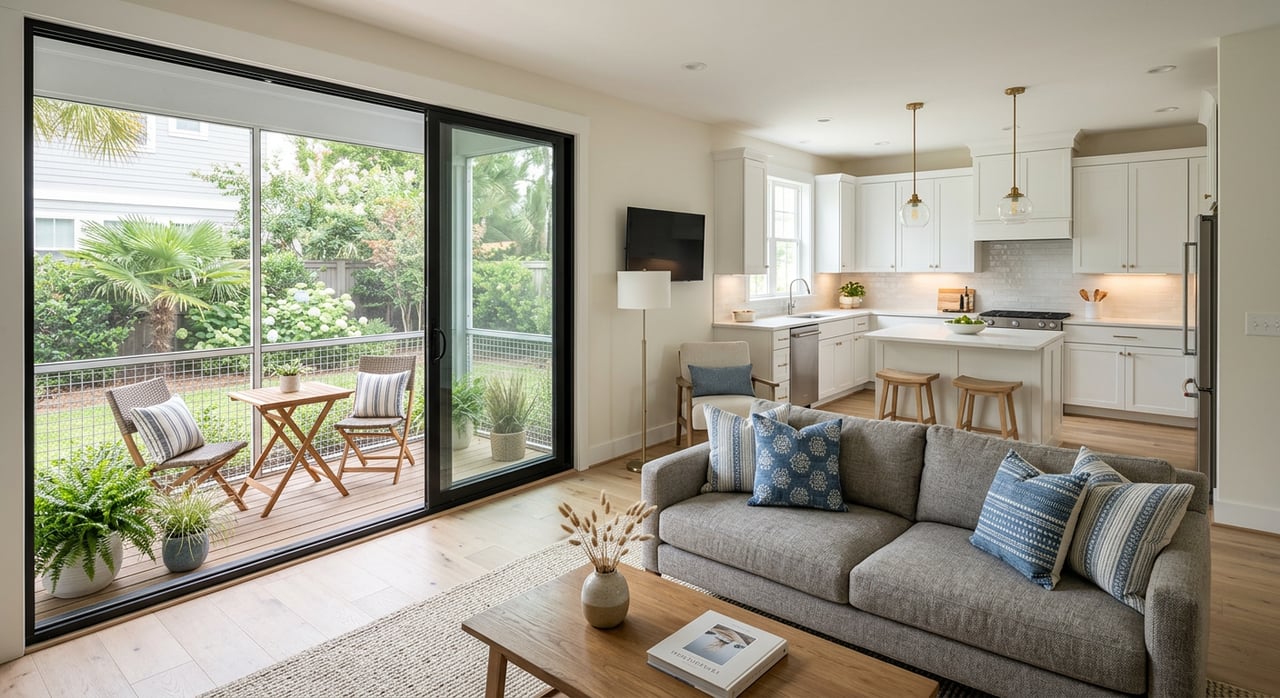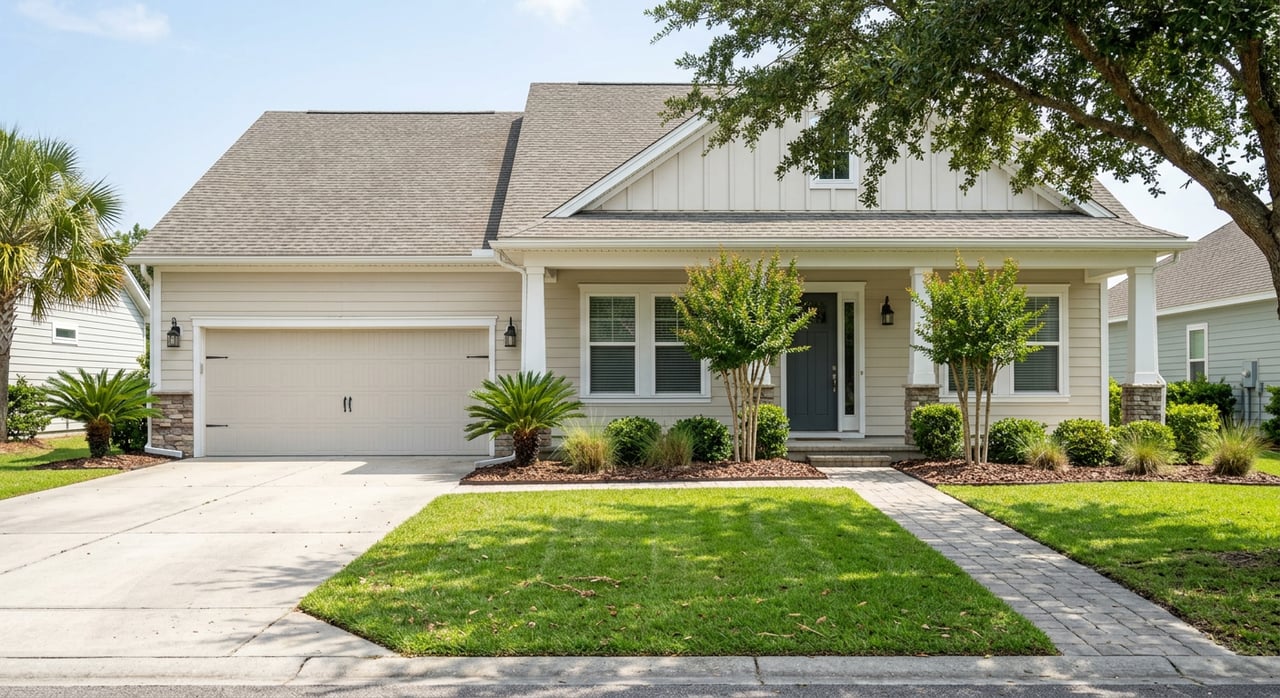
You can love the beach and still want an everyday routine that feels easy, local, and low stress. If you’re picturing Myrtle Beach beyond the neon and boardwalk crowds, you’re not alone. Many residents choose neighborhoods, shopping hubs, parks, and schools that sit outside the busiest resort strip. In this guide, you’ll see what daily life really looks like: where people live, how errands work, healthcare and schools, getting around, weekend spots, and what to plan for in a coastal climate. Let’s dive in.
Who lives here year-round
Myrtle Beach is a small-to-mid-sized city at the heart of a fast-growing coastal region. City population and demographic basics are available on U.S. Census QuickFacts, which is a helpful starting point when you’re sizing up a move. Growth is especially clear at the county level. Horry County has seen strong in-migration and expansion in recent years, which helps explain the rise of inland neighborhoods and new services for full-time residents. You can see county trends on USAFacts’ Horry County page.
Many full-time residents are families, retirees, remote workers, and service professionals tied to tourism, healthcare, and education. That mix shapes the rhythm of the area. Summer is busy and energetic. Fall through spring is calmer and feels more like a coastal small city.
Housing and what your budget buys
When you shop for homes, you’ll see different market numbers depending on the source. Some sites publish a “typical home value” index and others show the most recent median sale price. Both are useful, but they won’t be identical. Recent snapshots point to typical values in the low-to-mid $200,000s to $300,000s, with many rents below the national average. Exact figures change monthly, so plan to pull fresh data during your search.
Prices vary by property type and proximity to the water. Oceanfront and golf-course communities tend to run higher. Inland suburban areas like Carolina Forest and parts of the Market Common area often deliver more house for the money, along with newer construction and everyday shopping close by. Condos near the beach can offer lock-and-leave convenience. Single-family homes inland can offer yards and garages. Your choice comes down to trade-offs between beach access, monthly costs, and lifestyle.
Smart buying tips for this market:
- Compare condo fees and what they include. Ask about reserves, insurance, and maintenance coverage.
- For single-family homes, check HOA rules, yard and parking allowances, and any planned assessments.
- Budget for coastal insurance needs. Wind, hail, and flood coverage can be separate. Get a quote early.
- Review flood zones and elevation. A local insurance broker and FEMA/NFIP resources can help you assess parcel-level risk.
Everyday errands and shopping
Most residents shop in mixed-use centers and suburban corridors, not along Ocean Boulevard. You’ll find full-size supermarkets, pharmacies, banks, and home-goods stores in Market Common, along the Carolina Forest corridors, and on the routes toward Conway. In many neighborhoods, daily errands are a 5 to 20 minute drive, depending on the season and time of day.
If walkability matters, look at mixed-use areas with sidewalks, parks, and cafés clustered together. If you prefer a quiet cul-de-sac and a quick drive to a big-box store, the inland subdivisions may feel like home. Either way, plan your weekend shopping around summer traffic and event days.
Healthcare and schools
For emergency care and inpatient services, Grand Strand Medical Center is one of the primary hospital systems serving the Grand Strand. You can review services and locations on the Grand Strand Health website. Northern Horry County residents also look to the McLeod Health system and its Seacoast location; explore capabilities on McLeod Health Seacoast’s site. Urgent care clinics are common for non-emergencies, and primary care groups are spread across the metro.
Public K–12 schools fall under Horry County Schools. Use district resources and school sites to review programs and enrollment procedures. For higher education and community programming, Coastal Carolina University in nearby Conway adds a college-town influence, continuing-education options, and year-round events.
Getting around
Driving is the default for most residents. Expect heavier traffic in summer and on holiday weekends. The main corridors are US-17 up and down the coast, US-501 toward Conway, and SC-31, which helps you bypass busy surface roads. Horry County has ongoing planning around the Carolina Bays Parkway extension; you can track updates on the county’s SC-31 extension notices.
If you prefer not to drive, the regional bus system, Coast RTA, runs fixed routes and paratransit that connect Conway, Myrtle Beach, and certain suburban nodes. Learn how it works on the Coast RTA overview. For air travel, Myrtle Beach International Airport is close to town and offers a rotating list of seasonal and year-round routes. Check carriers and flight info at Myrtle Beach International Airport.
Parks, beaches, and weekends
A big perk of living here is easy access to oceanfront green space that feels local. Myrtle Beach State Park offers a quieter stretch of beach, shaded trails, a fishing pier, and year-round programs. Many residents hold a state park pass and use it often in the shoulder seasons.
Beyond the park, you’ll find neighborhood playgrounds, dog parks, and inland trails. Brookgreen Gardens near Murrells Inlet provides sculpture, botanical grounds, and seasonal events. Golf is part of the culture, with a wide mix of public and private courses. Boating and fishing are common weekend routines, with marinas and public launches scattered along the Grand Strand.
Neighborhood snapshots beyond the strip
Each area has its own rhythm. Here are quick, neutral summaries to help you narrow your list.
Market Common
A redeveloped former airbase near the airport, Market Common offers a town-center feel with sidewalks, cafés, a movie theater, and nearby parks. Housing options include apartments, townhomes, and single-family homes. Many residents like the shorter errand drives and regular community events.
Carolina Forest and inland subdivisions
Carolina Forest is a large inland hub with newer neighborhoods, shopping plazas, schools, and easy access to SC-31. If you want suburban living with practical access to groceries and services, this area is worth a close look. Commutes to Conway and central Myrtle Beach are manageable most days, with seasonal slowdowns.
Surfside Beach and neighboring towns
South of central Myrtle Beach, Surfside Beach and nearby coastal towns feel quieter and more small-town. You still get beach access along with everyday services, but with less nightlife. Housing ranges from single-family homes to low-rise condos.
Grande Dunes and waterfront communities
North of central Myrtle Beach, you’ll find planned communities with private amenities, marinas, and golf. Daily life here often includes community fitness centers, club dining, and quick access to the Intracoastal Waterway. Expect higher price points tied to amenities and location.
Conway
Just inland on US-501, Conway offers a historic downtown, riverfront walks, and a different civic pace from the beach. Many people pick Conway for its small-city feel while staying close to Myrtle Beach jobs and amenities.
Coastal living basics to plan for
Seasonal swings matter. Summer brings more people on the roads and in stores, especially near attractions and during events. Plan your larger errands for weekday mornings and learn the back routes.
Weather is a core planning factor. Hurricane season runs June through November. Review your home’s flood zone, confirm your insurance coverage, and keep a simple evacuation plan. If you are new to coastal living, the local media outline routes and zones; a quick primer is the Grand Strand evacuation routes and zones overview. Horry County also adjusts infrastructure over time to support growth and storm response, including projects like the SC-31 extension.
Crime patterns vary by neighborhood, as they do in most cities. Before you buy or rent, review current data and talk with local resources. An accessible starting point is this CrimeExplorer overview for Myrtle Beach. For the most current details, consult the police department and neighborhood associations.
A simple week in the life
Here is how a typical resident week might feel outside the resort core.
- Monday: School drop-off or commute on US-501, quick grocery stop on the way home. Evening walk in a neighborhood park.
- Tuesday: Work-from-home morning, lunch at a café in Market Common, afternoon errands within a 10 to 15 minute drive.
- Wednesday: Doctor visit near 17 Bypass, dinner at home, midweek beach walk at Myrtle Beach State Park.
- Thursday: After-school activities in Carolina Forest, pick up pharmacy items nearby.
- Friday: Meet friends at a local restaurant outside the boardwalk. Plan a Saturday morning state-park visit before crowds pick up.
- Saturday: Early bike ride, farmers’ market, then home projects or a tee time.
- Sunday: Coffee on the porch, then a short drive to the beach for a calm late-afternoon swim.
How I help you find your fit
If you are moving in from out of state, you do not have to figure this out alone. My approach is simple and low stress. We start with a short call about your wish list, budget, and timeline. I outline a few neighborhoods that match your daily needs, then map out an efficient tour plan. I give you clear next steps, coordinate details, and keep you updated so the process stays smooth and predictable.
Whether you want walkable, mixed-use living or a quiet inland subdivision near shopping, I will help you narrow quickly and confidently. When you are ready, we will review current home values and recent sales, set up alerts, and make a smart game plan for offers and inspections.
Ready to explore everyday life in Myrtle Beach the way locals live it? Reach out to Jack Poznanski to get a neighborhood-to-neighborhood plan that fits your goals.
FAQs
What does year-round Myrtle Beach living look like beyond the resorts?
- You’ll spend most days in local neighborhoods and shopping hubs, with 5 to 20 minute drives for errands, quieter beaches in state parks, and a slower pace outside peak summer.
How busy is driving in Myrtle Beach during summer months?
- Traffic increases on US-17 and US-501, especially on weekends; SC-31 helps you bypass surface roads, and you can track planning updates on the county’s SC-31 extension notices.
What healthcare options do Myrtle Beach residents use?
- Residents rely on hospital systems like Grand Strand Medical Center and primary care and urgent care clinics, with additional facilities serving northern Horry County through McLeod Health.
What public transit and airport options are available in Myrtle Beach?
- The regional bus system is Coast RTA, and the local airport is Myrtle Beach International Airport for commercial flights.
Which neighborhoods feel quieter than the boardwalk for daily life?
- Many buyers explore Market Common, Carolina Forest, Surfside Beach, and Conway for a calmer daily rhythm while staying near services and beach access.
How should I plan for hurricanes and flooding when buying in Myrtle Beach?
- Review flood zones, get early insurance quotes, and keep an evacuation plan; local media outline routes such as this Grand Strand evacuation guide, and your agent can help you evaluate property-level risk.