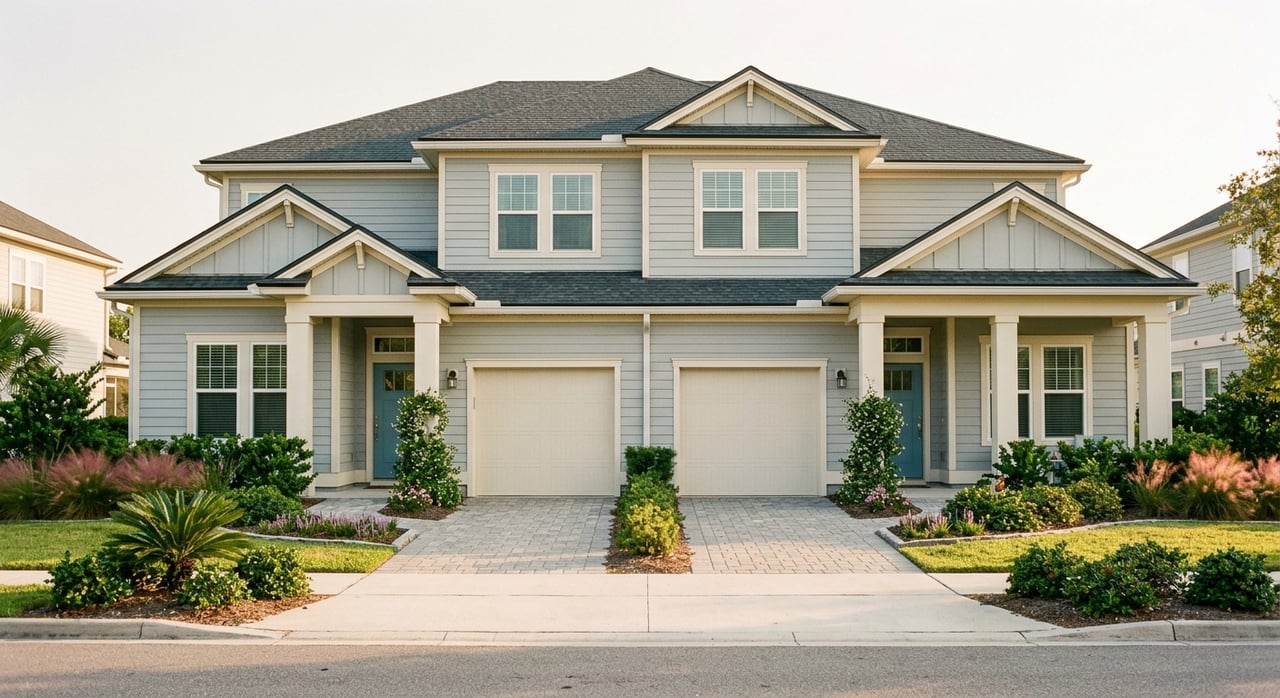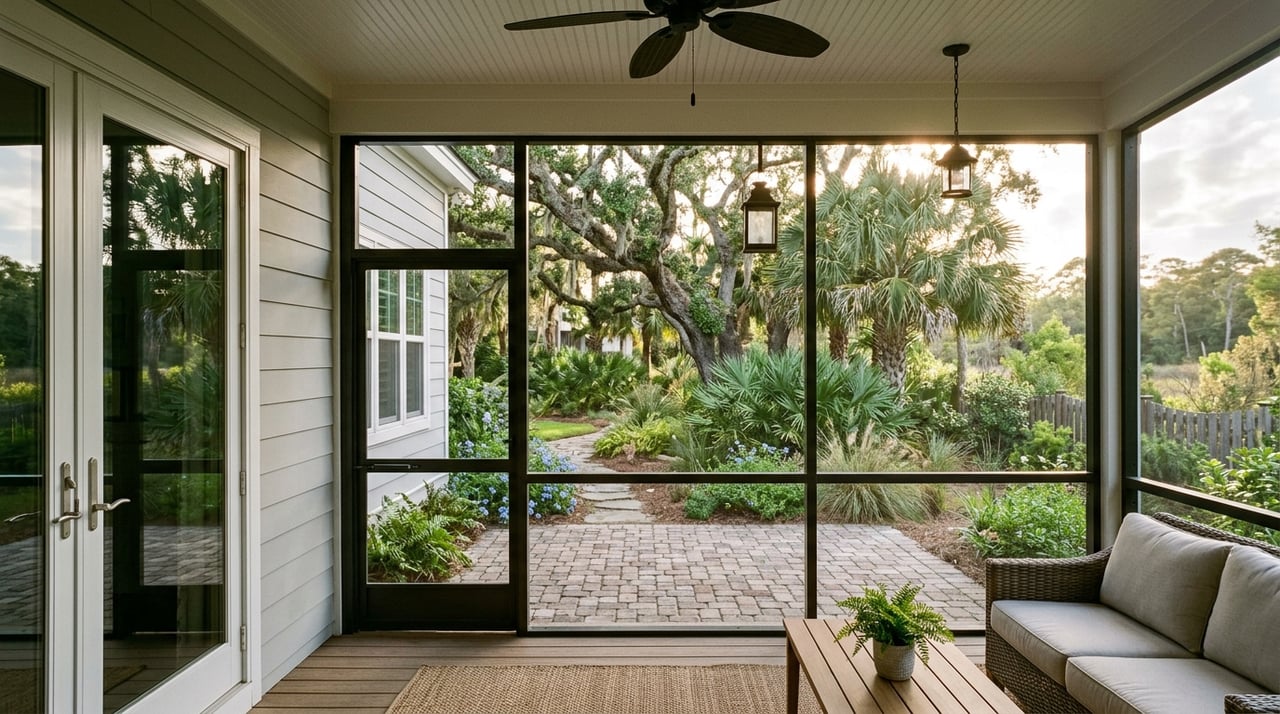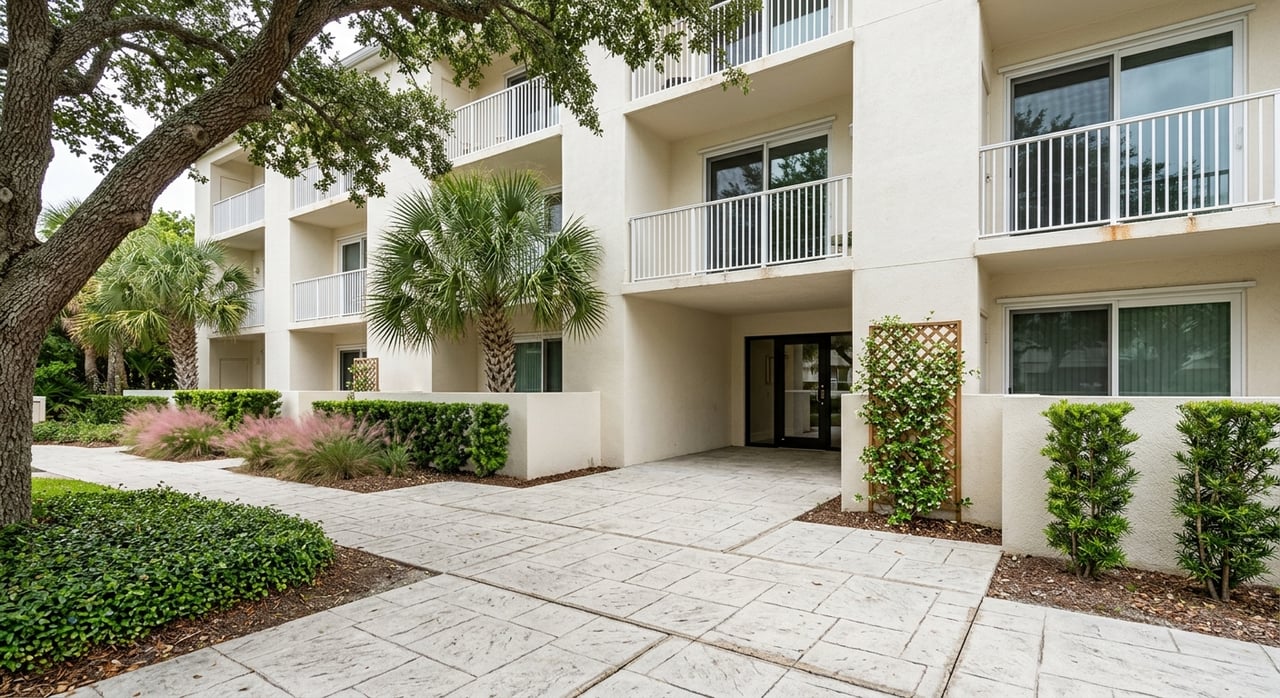
If you own an older Myrtle Beach home, you may be wondering whether you need a full remodel before you list. In most cases, you do not. In a market where buyers have more choices and are paying close attention to condition, the better strategy is usually to make your home clean, safe, dry, and well-documented before it hits the market. That helps you avoid overspending while still making a strong first impression. Let’s dive in.
Why prep matters more right now
Myrtle Beach has been described as a buyer's market, with homes selling an average of 3.64% below asking price and a median of 81 days on market, according to Realtor.com’s Myrtle Beach market overview. That means buyers often have more time to compare homes and more room to push back on visible issues.
That pressure can show up quickly with older properties. The National Association of Realtors found in its 2025 remodeling report that 46% of buyers are less willing to compromise on home condition than they were before. If your home shows signs of deferred maintenance, buyers may factor those repairs into their offers.
Start with the highest-value updates
Before you think about remodeling a kitchen or redoing a bathroom, focus on the prep steps that usually help the most. The goal is to make the home feel cared for, functional, and easy to picture living in.
According to NAR’s 2025 home staging survey, the most common seller recommendations were decluttering, whole-home cleaning, and improving curb appeal. Those came ahead of paint touch-ups, minor repairs, carpet cleaning, and professional photos.
Declutter every room
Decluttering helps buyers focus on the home instead of your belongings. It also makes rooms look larger, brighter, and easier to navigate in photos and in person.
Start by removing anything you do not use daily. Clear off counters, reduce furniture if rooms feel crowded, and organize closets so they look functional instead of overstuffed.
Deep clean the whole house
A clean home signals care. In older homes, that matters even more because buyers are already watching for signs of age or wear.
Pay special attention to floors, baseboards, windows, bathrooms, ceiling fans, and kitchen surfaces. If the home has been lived in for many years, a professional deep clean can make a big difference before photos and showings.
Improve curb appeal
The outside of your home sets expectations before a buyer walks through the front door. If the yard looks overgrown or the entry feels tired, buyers may assume the inside has similar issues.
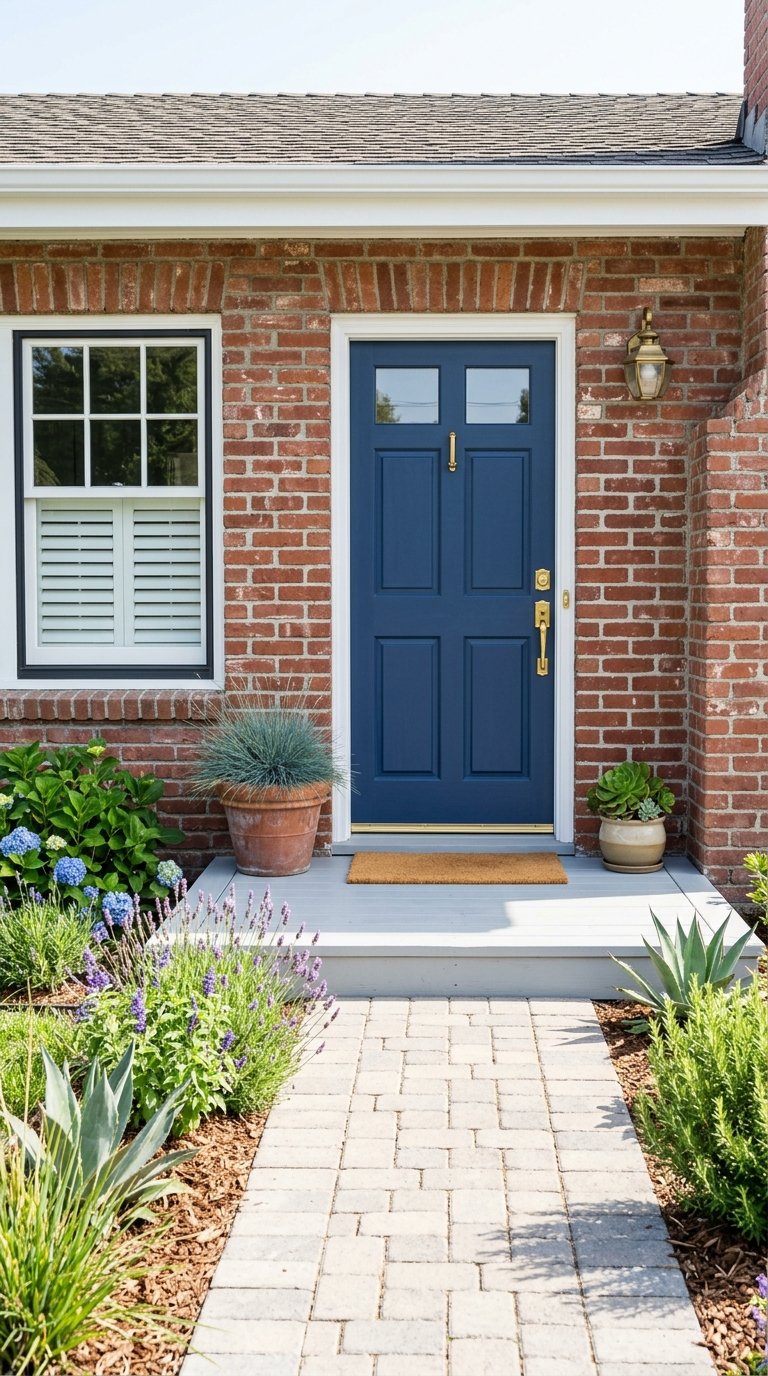
Trim landscaping, remove dead plants, pressure wash surfaces if needed, and make the front entry look inviting. If an exterior replacement is warranted, NAR cited a new steel front door as an example of strong value preservation, with 100% cost recovery in its report.
Fix visible problems before big remodels
For most older Myrtle Beach homes, visible and low-disruption fixes are a smarter first move than major renovations. Buyers tend to respond well when a home feels maintained, even if every finish is not brand new.
NAR’s 2025 remodeling research found that REALTORS most often recommended painting the entire home, painting one room, and replacing roofing before listing. Fresh neutral paint can brighten older interiors, while roof concerns can raise bigger red flags during showings and inspections.
Prioritize these repairs first
Use this order of operations to keep your spending focused:
- Stop active leaks
- Improve drainage around the home
- Inspect the roof and gutters
- Check the crawlspace
- Service or evaluate HVAC if needed
- Address visible termite or moisture damage
- Repair minor cosmetic issues like scuffed paint or damaged trim
This approach helps solve the kinds of problems that can lead to inspection concerns or buyer hesitation.
Pay close attention to coastal moisture issues
Older homes near the coast face extra wear from humidity, wind, and water exposure. In Myrtle Beach, moisture control is not a small detail. It is one of the most important parts of preparing an older property for sale.
Horry County advises residents to understand their storm-surge, flood, and wind risk, review wind-and-hail coverage, and consider flood insurance because standard homeowners insurance does not cover flood damage. Even if your home is not right on the water, buyers may still ask questions about water intrusion, drainage, and past claims.
What to check before listing
Walk through the property with moisture in mind. Look for stains, musty smells, soft wood, standing water, or signs that gutters are not moving water away from the home.
Focus on these areas:
- Roof and flashing
- Gutters and downspouts
- Crawlspace conditions
- Exterior grading and drainage
- Window and door seals
- HVAC performance and condensation issues
If your home is oceanfront or near the beach, coastal risks can carry even more weight. South Carolina’s guide to beachfront property notes that erosion, storm-driven flooding, and high winds are normal risks, and some repairs or additions seaward of the setback line may require state review.
Do not ignore termites and wood damage
In older coastal homes, termites and wood decay can become major negotiation points if they are left unaddressed. Buyers may not expect perfection, but they do expect you to deal honestly with known issues.
Clemson Extension explains that subterranean termites are common throughout South Carolina, while Formosan subterranean termites are mainly a coastal-county issue. Termites are especially attracted to moist or decayed wood, which makes moisture control even more important in an older Myrtle Beach home.
Reduce red flags before inspections
Clemson’s prevention guidance emphasizes:
- Good drainage
- Gutter maintenance
- Crawlspace ventilation
- Keeping wood off the ground
If you already know there is termite or rot damage, it is usually better to address it before listing or be fully prepared to document it clearly. Surprises tend to create stress later in the transaction.
Gather paperwork before your home goes live
A smooth sale is not only about how your home looks. It is also about how organized you are once buyers start asking questions.
South Carolina’s current Residential Property Condition Disclosure Statement must be completed truthfully before contract formation for most residential sales. If new information comes up that makes one of your answers inaccurate, you must correct it.
Key documents to organize
For an older Myrtle Beach home, gather records tied to the issues buyers are most likely to ask about. The current disclosure form specifically asks about:
- Roof leaks
- Structural repairs or additions
- Plumbing, electrical, and HVAC issues
- Termites or dry rot
- Permit violations
- Flooding and water intrusion
- Drainage and soil stability
- Erosion control structures
- Flood zones and flood insurance
- Flood claims
- Beach nourishment assessments
Having this information ready can reduce delays and help buyers feel more confident moving forward.
Verify permits on older work
One common issue with older homes is work that was done years ago without clear records. That can include additions, structural changes, porch enclosures, or repair work completed without permits.
Horry County notes that repair and alteration work often requires a permit, structural work may require engineer approval, and projects in flood hazard zones may require elevation or substantial-improvement documentation. If you know work was done in the past, it is smart to check the paper trail before listing.
This matters because unpermitted work can raise lender, insurance, or buyer concerns. It is much easier to sort out those questions early than after you are under contract.
Remember lead disclosure for pre-1978 homes
If your home was built before 1978, federal rules may apply. The EPA states that sellers must provide the lead-hazard pamphlet, disclose known lead information, share available reports, and allow a 10-day inspection period unless it is waived.
You can review the requirements on the EPA’s lead real estate disclosure page. This is another reason early prep matters. The more organized you are, the fewer last-minute issues you will face.
Stage the rooms buyers notice first
Staging does not have to mean fully furnishing your whole home from scratch. In many cases, simple presentation steps are enough to make the property easier to understand and more appealing online.
NAR’s 2025 staging survey found that 83% of buyers’ agents said staging made it easier for buyers to visualize the home, 29% said it increased the dollar value offered by 1% to 10%, and 49% said it reduced time on market. At the same time, 51% of sellers’ agents said they did not fully stage and instead advised sellers to declutter or fix property faults first.
Focus on these rooms
The rooms buyers tend to notice most are:
- Living room
- Primary bedroom
- Kitchen
If your budget is limited, put your time and money there. Make those rooms feel open, bright, and easy to picture using day to day.
A smart prep plan for older Myrtle Beach homes
If you want the short version, here it is: do not start by tearing everything out. Start by making the home present well and function well.
In this market, the strongest plan is usually to make your home clean, safe, dry, and documented. That means fixing leaks, checking moisture and termite concerns, handling obvious repairs, improving curb appeal, and organizing disclosure and permit records before you list.
That kind of prep helps you avoid wasting money on updates that do not solve the real issues buyers care about. It also gives you a more confident path to photos, showings, inspections, and negotiations.
If you want a clear plan for what to fix, what to skip, and how to get your older Myrtle Beach home market-ready without overdoing it, Jack Poznanski can help you map out practical next steps and keep the process as smooth as possible.
FAQs
What repairs matter most when selling an older Myrtle Beach home?
- The biggest priorities are usually stopping leaks, improving drainage, checking the roof and crawlspace, addressing termite or moisture damage, and handling visible maintenance issues before cosmetic upgrades.
Should you remodel before selling an older home in Myrtle Beach?
- Usually, a targeted repair-and-presentation plan makes more sense than a major remodel, especially in a buyer-leaning market where buyers are focused on condition and value.
Do older Myrtle Beach homes need flood-related disclosures?
- South Carolina’s disclosure form asks about flooding, water intrusion, flood zones, flood insurance, and flood claims, so you should gather accurate records before listing.
What documents should you gather before listing an older home in Myrtle Beach?
- You should organize records for repairs, permits, roof or system updates, termite issues, flood-related information, and any structural work or additions that may come up during disclosure or inspection.
Does a pre-1978 Myrtle Beach home require lead disclosure?
- Yes, if the home was built before 1978, federal lead disclosure rules apply, including sharing known information, available reports, and the required pamphlet.