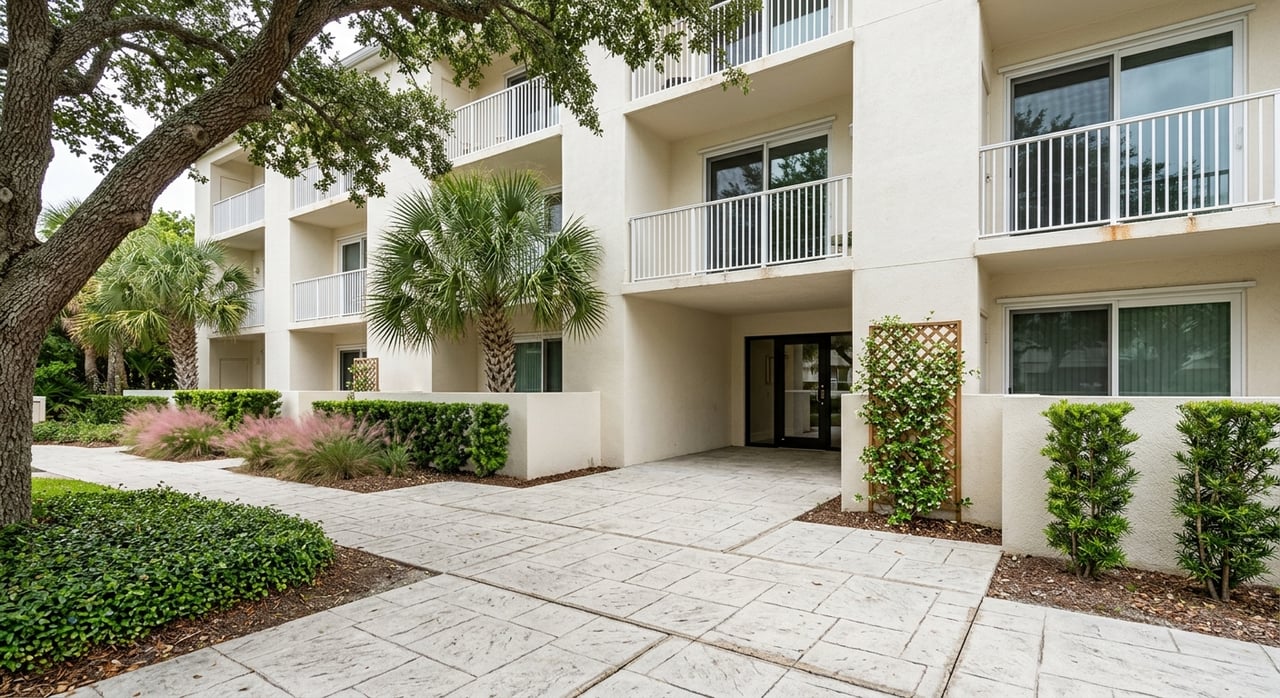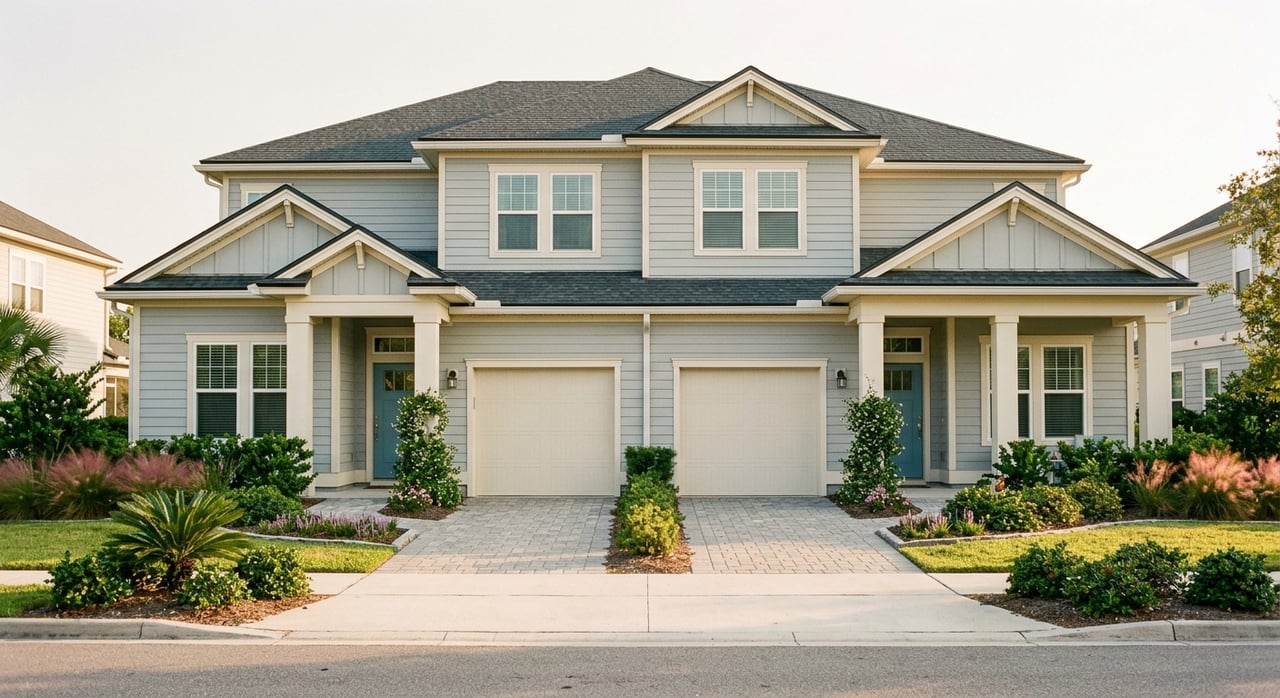
If you love the idea of Murrells Inlet but do not want the upkeep that comes with a detached home, a condo or townhome may be the right fit. For many buyers, especially second-home shoppers and downsizers, the appeal is simple: easier maintenance, access to shared amenities, and a more flexible coastal lifestyle. This guide will help you understand how condo and townhome ownership works in Murrells Inlet, what to review before you buy, and which questions can save you stress later. Let’s dive in.
Why Murrells Inlet Appeals to Condo Buyers
Murrells Inlet offers a lifestyle that draws buyers who want both scenery and convenience. Georgetown County highlights the area for its marsh and beach setting, the MarshWalk, seafood, fishing, restaurants, golf, Huntington Beach State Park, and Brookgreen Gardens. That mix helps explain why lower-maintenance properties are such a natural fit here.
The broader local housing profile also gives useful context. Census data shows Murrells Inlet had 9,740 residents in 2020, with 37.0% of residents age 65+ in the 2019-2023 ACS. The area also had an 84.6% owner-occupied housing rate and a median owner-occupied home value of $355,800, which points to strong interest from owners who want a place they can enjoy and manage with less day-to-day work.
Condo vs Townhome in South Carolina
A lot of buyers assume the building style tells them how ownership works. In South Carolina, that is not always true. A townhome may be fee simple with an HOA, or it may be part of a condo regime, so you need to confirm the legal structure instead of relying on appearance alone.
Under South Carolina’s Horizontal Property Act, condo ownership means you own your individual unit and also share rights in the common elements. Those common elements can include land, roofs, halls, stairways, utility systems, elevators, docks, and other features needed for upkeep and safety.
Some items may also be classified as limited common elements. That means they are shared, but reserved for certain units only, such as specific corridors, stairways, elevators, finger piers, or floor-specific services. In a coastal area like Murrells Inlet, this matters because waterfront and marsh-adjacent communities may divide ownership and maintenance responsibilities very differently.
Why the documents matter more than the exterior
Two properties can look very similar from the street and come with very different owner responsibilities. One community may include roof maintenance in the association structure, while another may place more responsibility on the individual owner. That is why the master deed, bylaws, declaration, and rules deserve close review before you commit.
Key Ownership Documents to Review
In South Carolina, the master deed for a condominium must be recorded in the county where the property is located. It must describe the land, units, common elements, percentage interests, and any leasing restrictions. Bylaws then govern administration, maintenance, common expenses, and how decisions are made.
For buyers, these documents are not just paperwork. They tell you what you are actually buying, what you are agreeing to maintain, and what rules may affect how you use the property.
Focus on these document details
When reviewing a Murrells Inlet condo or townhome, pay close attention to:
- What the monthly dues cover
- Whether roofs, exterior walls, docks, elevators, and shared systems are common elements
- Whether any features are limited common elements tied to your unit
- Leasing restrictions, including term limits
- Pet, guest, parking, and storage rules
- Transfer fees, access devices, and amenity use rules
Understand Fees and Assessments
Condo and HOA fees are one of the biggest parts of the decision. Under South Carolina law, co-owners contribute their share toward administration, maintenance, and repair of common elements. If assessments go unpaid, they can become a lien.
That is important for buyers because outstanding balances can affect closing. State law also allows a purchaser to request a statement of amounts due, which can help clarify what is owed and limit the purchaser’s liability to the amount shown.
Ask what your monthly payment really covers
A lower monthly fee is not automatically better. You need to know whether the association is covering major items or whether owners may be exposed to more out-of-pocket costs later.
Ask these questions early:
- Does the fee cover exterior maintenance?
- Are insurance costs included at the association level?
- Is there a reserve charge?
- Are there any pending special assessments?
- Are there any seller arrears that must be paid before closing?
Insurance and Coastal Risk Matter More Here
In a coastal market, insurance questions deserve extra attention. South Carolina law says the association must insure the property against risks, while the owner may separately insure the unit. If the property is damaged, it generally must be repaired or replaced promptly unless rebuilding is not legal or 80% of co-owners vote against rebuilding.
If repair costs exceed insurance proceeds and reserves, the extra amount becomes a common expense. In practical terms, that means buyers should look closely at buildings or communities with features like balconies, elevators, docks, and storm exposure.
Murrells Inlet flood and hazard checks
Georgetown County’s Building Department enforces building codes and flood zone regulations, among others. The county also notes that even properties outside a Special Flood Hazard Area may still face local drainage issues or other unmapped flood risk.
For unincorporated Georgetown County, NFIP flood insurance is available for any property, and FEMA’s Flood Map Service Center is the official public source for flood hazard maps. If you are buying in Murrells Inlet, flood diligence should be part of your standard review, not an afterthought.
Property Taxes Can Change Your Budget
If you are comparing a primary residence with a second home, South Carolina property taxes can change your monthly carrying costs in a meaningful way. The South Carolina Department of Revenue says a legal residence is assessed at 4%, while a second home is assessed at 6%.
For qualifying owner-occupied residences, the state also offers a Homestead Exemption on the first $50,000 of fair market value if the owner is age 65 or older, totally and permanently disabled, or legally blind. If you are buying in Murrells Inlet for retirement or seasonal use, this is one of the first budget items to clarify.
South Carolina Disclosure Forms Help Buyers
South Carolina requires a residential property condition disclosure before contract. If the property is part of an HOA, condo association, horizontal property regime, or similar set of covenants, a separate addendum must also be provided.
These forms are especially useful in Murrells Inlet because they raise issues that often matter in coastal communities. The disclosure asks about flood hazards, flood zones, flood insurance, flood claims, flood-related repairs, wetlands, erosion-control structures, and whether the property has been assessed for a beach nourishment project.
The association addendum also asks about:
- Dues and fees
- Reserve charges and special assessments
- Rental restrictions
- Guest and pet restrictions
- Assigned parking and storage
- Keys, fobs, and access codes
- Membership transfers and transfer fees
- Common-area problems
- Existing leases expected at closing
- Whether the property is subject to the South Carolina Coastal Zone Management Act
Important reminder on disclosures
The disclosure form itself makes a key point: it is not a substitute for inspections. Buyers are also reminded to review covenants, bylaws, deeds, and related documents before signing.
A Smart Murrells Inlet Buying Checklist
When you tour condo and townhome communities in Murrells Inlet, it helps to use the same checklist every time. That keeps the process clearer and makes side-by-side comparisons much easier.
Questions to ask before you offer
- What does the monthly fee cover, and what does it not cover?
- Are there reserve charges or possible special assessments?
- Who maintains the roof, exterior walls, elevators, docks, and shared systems?
- Are any of those items limited common elements?
- Are rentals allowed, and is there a minimum lease term?
- Are short-term rentals permitted?
- What are the pet, guest, parking, and storage rules?
- Are there access codes, fobs, or keys required for amenities?
- Are there unpaid assessments or seller balances that must be cleared at closing?
- Is the property in a flood zone, and will flood insurance be required?
- Are there erosion-control or flood-mitigation features on site?
- Can you review the recorded master deed, bylaws, rules, and amendments before making an offer?
How to Make the Process Feel Simpler
Buying a Murrells Inlet condo or townhome can feel very manageable when you break it into steps. First, confirm how the property is legally structured. Then review the fees, insurance setup, flood exposure, tax status, and governing documents before you get too far down the road.
This is especially helpful if you are buying from out of state or comparing several coastal communities at once. Clear questions up front can save you from surprises later and help you choose a property that fits the way you actually plan to use it.
If you want straightforward guidance as you compare Murrells Inlet condos and townhomes, Jack Poznanski can help you narrow options, understand the details, and move forward with less stress.
FAQs
What is the difference between a condo and a townhome in Murrells Inlet?
- In Murrells Inlet, the exterior style does not always tell you the ownership structure. A townhome may be fee simple with an HOA or part of a condo regime, so you need to review the governing documents to confirm who owns and maintains key parts of the property.
What do Murrells Inlet condo fees usually cover?
- The exact coverage depends on the community, but fees may go toward administration, maintenance, repairs, insurance, and other common expenses. You should ask specifically about reserves, special assessments, and whether major items like roofs, elevators, or docks are included.
Are flood zones important when buying a Murrells Inlet condo?
- Yes. Georgetown County says even properties outside a Special Flood Hazard Area may still face local drainage or other unmapped flood risk, so flood review is an important part of your due diligence.
Can Murrells Inlet condo communities restrict rentals?
- Yes. South Carolina documents may include leasing restrictions, and the association disclosure addendum specifically asks about rental rules, short-term rentals, and any lease expected to remain in place at closing.
What documents should you review before buying a Murrells Inlet condo or townhome?
- Ask for the recorded master deed, bylaws, rules, amendments, and the association disclosure materials. These documents explain ownership rights, common elements, fees, restrictions, and how the community is managed.
How do property taxes differ for a Murrells Inlet primary home versus second home?
- According to the South Carolina Department of Revenue, a legal residence is assessed at 4% and a second home is assessed at 6%. That difference can affect your overall monthly cost, so it is worth confirming early in your planning.